Communicate Better with Colleagues and Clients with These Technologies
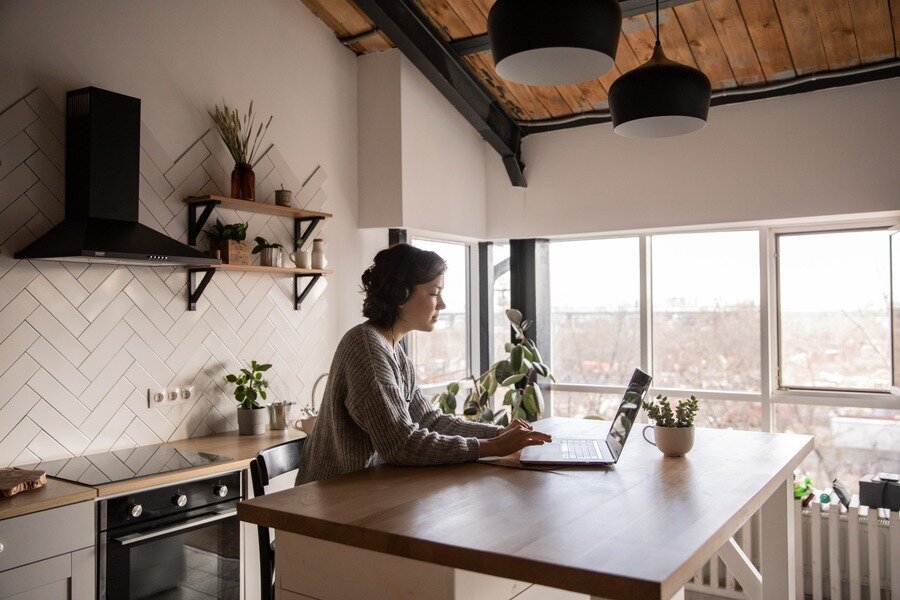
A thoughtful home office brings together reliable connectivity, clear sound, comfortable lighting, and technology that feels natural to use.
A productive home office should support the way you work, whether you are meeting with clients, collaborating with colleagues, or joining a call from your Hamptons home between appointments.
When video freezes or someone asks you to repeat yourself, the problem is not always the camera or the meeting platform. Your network connection, microphone, room acoustics, lighting, and even the position of your desk can all influence the experience.
The best home office video conferencing setup considers those elements together. The goal is a room where you can be seen and heard clearly, join meetings with confidence, and return your attention to the work at hand.
Begin With a Dependable Connection
A video call relies on a steady connection in both directions. Your home must receive video and audio from other participants while sending your own voice and image back to them.
A fast internet plan is a useful starting point, but it does not guarantee a strong connection at your desk. Distance from a wireless access point, building materials, competing devices, and the way a network is configured can all affect performance.
For a dedicated office, a wired connection may be worth considering when practical. It can reduce reliance on Wi-Fi for the computer or conferencing equipment you use most often. Where wiring is not possible, the location and configuration of wireless access points become especially important.
A network review can help identify whether the issue is the internet service, Wi-Fi coverage, equipment, or a combination of factors. Explore HTE’s approach to home network and Wi-Fi design and learn more about why Wi-Fi dead zones persist.
Plan for interruptions, too
If your work depends on staying connected, consider what should happen when your primary internet service or power is interrupted. Depending on the property and available services, a backup internet connection and battery protection for selected network equipment may help support continuity.
These solutions have limits. Backup runtime depends on the equipment and power load, and an alternate internet service must be available and properly configured. HTE can help evaluate what makes sense for your home and the work you do there.
Make Clear Audio a Priority
People may forgive an imperfect camera angle, but a conversation becomes difficult when voices echo, fade in and out, or compete with background noise.
Start by listening to the room. Large windows, hard floors, and expansive desks can reflect sound, while furnishings and textiles may help soften it. The placement of a microphone matters as well. A microphone too far from the speaker can pick up more of the room and less of the conversation.
Depending on the space and how it is used, options may include a desktop microphone, a headset, or a more integrated audio solution. In a larger office or multipurpose room, a professionally selected microphone and speaker system can provide a more comfortable experience without filling the desk with equipment.
For a closer look at the possibilities, explore professional-grade audio solutions for the home and how beamforming microphones work.
Choose a Camera Setup That Suits the Room
A laptop camera may be entirely adequate for occasional calls. For a desk used throughout the day, a separate camera or display-integrated solution may offer more flexibility in positioning and framing.
When planning the setup, consider:
- Camera height. A camera positioned close to eye level can create a more natural perspective.
- Framing. Leave enough space around your face without placing yourself too far from the camera.
- Background. Choose a view that feels comfortable and professional, with attention to privacy and visible screens or documents.
- Equipment compatibility. Confirm that the camera, microphone, speakers, and computer work together with the meeting platforms you use.
- Cable management. Plan connections and power so the workspace remains orderly and easy to maintain.
If more than one person regularly joins meetings from the room, the camera and audio setup may need to accommodate a wider view and multiple speaking positions.
The meeting platform is part of the decision, but it is only one part. HTE also offers a comparison of video conferencing tools for readers considering their software options.
Use Lighting and Shades to Create a Comfortable View
A beautiful window can be one of the best features of a home office. It can also create a challenging camera image when bright daylight sits directly behind you.
Whenever possible, position your desk so natural light reaches your face from the front or side rather than placing a bright window behind you. If the room does not have useful daylight, carefully positioned lighting can help illuminate your face without creating distracting glare on a screen.
As daylight changes, a room that looked balanced in the morning may feel very different by late afternoon. Motorized shades can help manage glare and privacy, while lighting controls make it easier to adjust the room for different tasks.
A video call setting might lower a shade to soften direct sun and adjust selected lights for a balanced appearance. The exact scene depends on the room, the available equipment, and your preferences.
Make the Technology Easy to Use
A home office should work for everyday life, not just look impressive in a proposal.
That means considering how you start a call, switch between a laptop and a larger display, adjust the volume, and manage lighting. For some homeowners, the right answer is a straightforward desk setup with fewer connections. For others, it may be a more integrated room with coordinated audio, video, lighting, and shades.
If the office also serves as a library, guest room, or sitting room, technology can be planned around those changing uses. Equipment placement, concealed wiring, and thoughtful controls help the room remain comfortable when the workday is over.
A well-designed system should also account for privacy. Consider where sensitive conversations take place, what appears behind you on camera, and how you will know when microphones and cameras are active. Use the privacy controls provided by your devices and meeting platforms, and keep software and equipment updated.
Plan Early, or Improve What You Already Have
During a renovation or new build, the home office is easier to coordinate before walls and finishes are complete. Power, network connections, equipment locations, lighting, and shade requirements can be considered alongside the architecture and interior design.
An existing room can be improved, too. The starting point may be as simple as addressing a weak connection or repositioning a camera. Other homes may benefit from a more comprehensive review of networking, acoustics, lighting, and control.
The right approach depends on how often you use the room, the types of meetings you host, and how much of the existing setup already works well.
A More Thoughtful Way to Work From Home
Your home office should make it easier to focus, communicate, and move through the day comfortably. When the network, sound, camera, lighting, and room design are considered together, technology can support your work without becoming another task to manage.
Home Technology Experts works with homeowners in New York City, Long Island, and the Hamptons to plan and integrate technology around the way they live and work.